
Kashi Tour Itinerary , Have you ever wondered what it feels like to walk through streets that have witnessed thousands of years of devotion, culture, and history? Welcome to Kashi, also known as Varanasi or Banaras – one of the oldest continuously inhabited cities on Earth. This ancient city, nestled along the sacred banks of the Ganges River, isn’t just a destination; it’s an experience that touches your soul.
Kashi represents the beating heart of Indian spirituality. Every narrow lane, every ghat, and every temple tells a story that dates back millennia. Whether you’re a spiritual seeker, a history enthusiast, or simply a curious traveler, Kashi offers something extraordinary that you won’t find anywhere else in the world.
Why Visit Kashi?
Religious Significance
Kashi holds unparalleled religious importance in Hindu tradition. Believed to be the abode of Lord Shiva himself, this city attracts millions of pilgrims annually who come seeking moksha – liberation from the cycle of birth and death. The city features in ancient scriptures and has been a center of learning and devotion for over 3,000 years. Every corner resonates with chants, prayers, and the profound energy of faith that has accumulated over centuries.
Cultural Heritage
Beyond religion, Kashi serves as a living museum of Indian culture. The city has nurtured countless poets, musicians, scholars, and artists throughout history. From classical music traditions to intricate silk weaving, from Sanskrit scholarship to contemporary art, Kashi continues to be a vibrant cultural hub where ancient traditions meet modern expressions.
Architectural Marvels
The architectural landscape of Kashi presents a fascinating blend of Hindu temples, Muslim monuments, British colonial buildings, and modern structures. The famous ghats – those stepped embankments leading to the river – create an iconic skyline that’s instantly recognizable and absolutely breathtaking, especially during sunrise and sunset.
Best Time to Visit Kashi
Weather Considerations
Planning your trip timing can significantly enhance your experience. The ideal period to visit Kashi extends from October to March when the weather remains pleasant and comfortable. During these months, temperatures range between 5°C to 25°C, making it perfect for exploring the city on foot and participating in outdoor activities.
Summer months from April to June can be extremely hot, with temperatures soaring above 40°C. The monsoon season from July to September brings heavy rainfall, which can disrupt travel plans but also adds a different charm to the city with lush greenery and fewer crowds.
Festival Seasons
If you want to witness Kashi in its full glory, consider visiting during major festivals. Dev Deepawali, celebrated fifteen days after Diwali, transforms all the ghats into a spectacular display of millions of earthen lamps. Maha Shivaratri brings immense energy to the city with grand celebrations at Kashi Vishwanath Temple. The Ganga Mahotsav in November showcases the city’s cultural richness through music, dance, and boat races.
How to Reach Kashi
By Air
Lal Bahadur Shastri International Airport, located about 25 kilometers from the city center, connects Varanasi to major Indian cities including Delhi, Mumbai, Bangalore, and Kolkata. Several international flights also operate from here. From the airport, you can hire prepaid taxis, app-based cabs, or take airport shuttle services to reach your accommodation.
By Train
Varanasi Junction, also known as Varanasi Cantt, serves as the main railway station with excellent connectivity across India. Additionally, Varanasi City Station and Manduadih Station provide alternative options. The city receives trains from virtually every major Indian city, making rail travel one of the most convenient and economical options.
By Road
Well-maintained national highways connect Varanasi to neighboring cities. Regular bus services operate from Lucknow, Allahabad, Patna, and other nearby cities. If you prefer a road trip, driving to Kashi offers scenic views of rural India and the flexibility to stop at interesting places along the way.
Day 1: Arrival and Introduction to Varanasi
Morning: Check-in and Breakfast
Your Kashi journey begins with settling into your accommodation. Take some time to freshen up and enjoy a traditional breakfast. Many hotels offer complimentary breakfast, but if you’re adventurous, try local breakfast items like kachori-sabzi or jalebi from nearby street vendors. This initial rest will help you prepare for the exciting exploration ahead.
Afternoon: Kashi Vishwanath Temple
After lunch, head straight to the crown jewel of Kashi – the Kashi Vishwanath Temple. This temple, dedicated to Lord Shiva, stands as one of the twelve Jyotirlingas and holds supreme importance for Hindus. The current structure showcases stunning gold-plated spires donated by Maharaja Ranjit Singh. Be prepared for crowds and maintain patience as the darshan (viewing of the deity) might take time. Remember to respect the photography restrictions inside the temple premises.
The narrow lanes leading to the temple form a maze of shops selling religious items, flowers, sweets, and souvenirs. This area, known as Vishwanath Gali, offers an authentic glimpse into the bustling heart of old Varanasi.
Evening: Dashashwamedh Ghat and Ganga Aarti
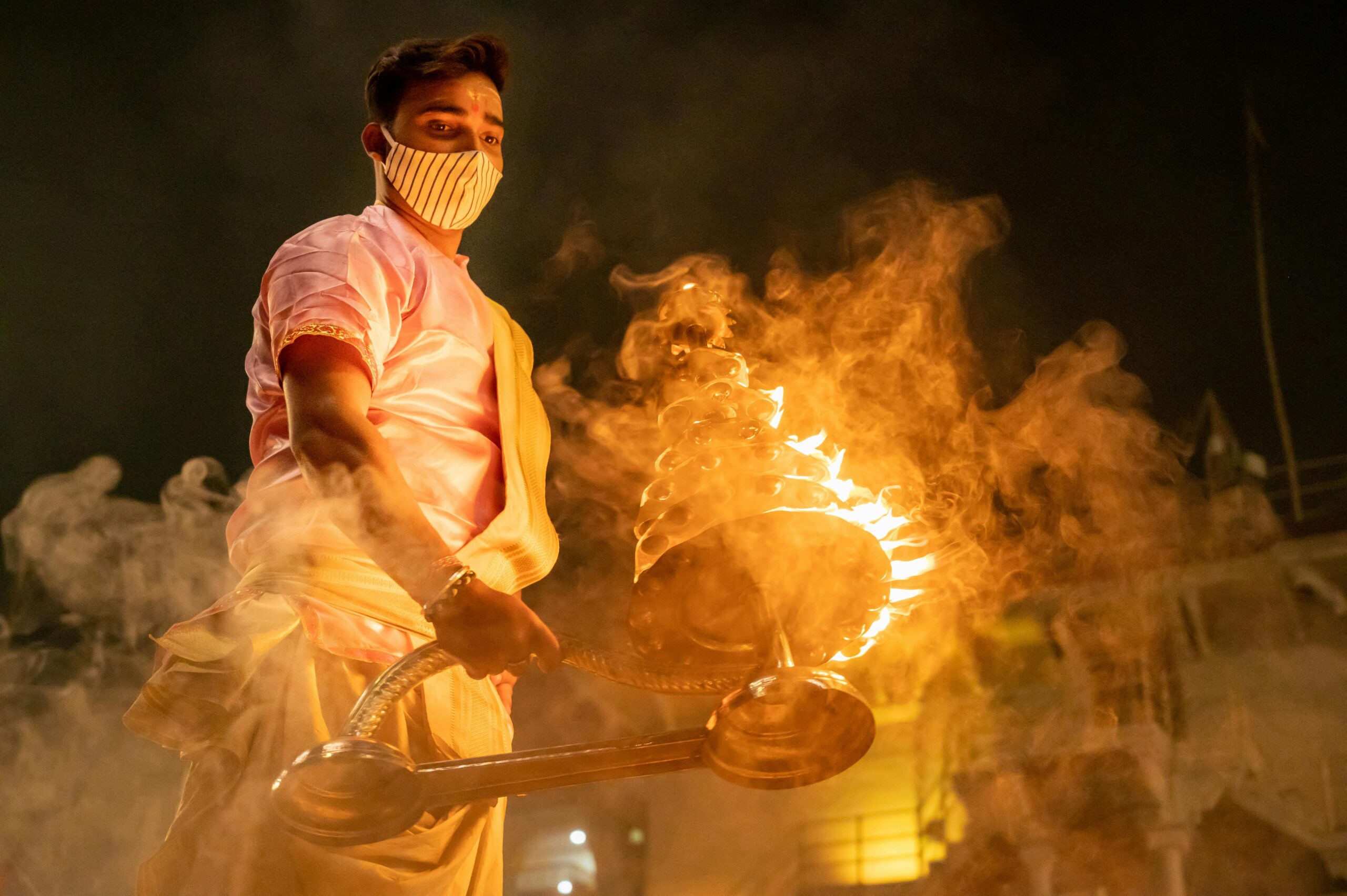
As evening approaches, make your way to Dashashwamedh Ghat for an experience you’ll never forget – the Ganga Aarti. This elaborate prayer ceremony performed by priests involves fire, incense, and synchronized movements accompanied by devotional songs. The ritual typically begins around 6:45 PM during winter and 7:00 PM in summer.
Arrive at least 30-45 minutes early to secure a good viewing spot. You can watch from the ghat steps or hire a boat for a river view. The atmosphere becomes electric as hundreds of people gather, bells ring, conches blow, and the priests perform intricate rituals with large multi-tiered lamps. This spiritual spectacle represents Kashi at its most magical.
Day 2: Exploring Ancient Temples and Ghats
Morning: Assi Ghat and Morning Boat Ride
Wake up before dawn to experience the ethereal beauty of Varanasi at sunrise. Assi Ghat, located at the confluence of the Assi and Ganges rivers, becomes a hub of activity early in the morning. Witness locals performing their daily rituals, practicing yoga, and taking holy dips in the sacred river.
A morning boat ride from Assi Ghat offers an unparalleled perspective of the city. As you glide along the river, you’ll pass numerous ghats, each with its own character and history. The morning light creates a mystical atmosphere as it illuminates the ancient temples, palaces, and buildings lining the riverbank. The boat ride typically lasts 1-2 hours and provides opportunities for stunning photography.
Mid-Morning: Sankat Mochan Hanuman Temple
After your boat ride and breakfast, visit the Sankat Mochan Hanuman Temple, dedicated to Lord Hanuman. Founded by the revered saint Tulsidas in the 16th century, this temple holds special significance for devotees. The peaceful atmosphere here contrasts with the crowds at Kashi Vishwanath, offering a more contemplative experience.
The temple sees continuous streams of devotees throughout the day, and you’ll often hear devotional music and chanting. Tuesday and Saturday witness particularly large gatherings as these days are considered auspicious for worshipping Hanuman.
Afternoon: Durga Temple and Tulsi Manas Temple
The Durga Temple, popularly known as the Monkey Temple due to the numerous monkeys residing in its vicinity, features distinctive red ochre color and Nagara-style architecture. Built in the 18th century, this temple dedicated to Goddess Durga showcases a rectangular tank called Durga Kund beside it.
Just a short walk away stands the Tulsi Manas Temple, built at the spot where Tulsidas is believed to have composed the Ram Charit Manas, the Hindi version of the Ramayana. The temple walls feature verses from this epic carved in stone, creating a unique blend of devotion and literature.
Evening: Manikarnika Ghat
Manikarnika Ghat represents one of the most sacred cremation grounds in India. According to Hindu belief, being cremated here grants moksha. While this might seem like an unusual tourist destination, witnessing the final rites provides profound insights into Hindu philosophy regarding life, death, and liberation.
Exercise utmost respect and sensitivity when visiting. Photography is strictly prohibited, and visitors should maintain a respectful demeanor. The sight of funeral pyres burning continuously (the fire here is said to have been burning for thousands of years) offers a stark reminder of mortality and the cycle of existence that defines Hindu thought.
Day 3: Buddhist Trail – Sarnath Excursion
Morning: Dhamek Stupa
Dedicate your third day to exploring Sarnath, located just 10 kilometers from Varanasi. This site marks the spot where Buddha delivered his first sermon after attaining enlightenment, making it one of the four most important Buddhist pilgrimage sites. Start your visit at the impressive Dhamek Stupa, a massive cylindrical structure standing 43.6 meters high.
Built during the Gupta period around 500 CE, this stupa marks the exact location where Buddha taught the Dharma to his first five disciples. The intricate carved patterns on the stone still remain visible despite centuries of weathering. The peaceful atmosphere here provides a perfect setting for meditation and reflection.
Mid-Morning: Chaukhandi Stupa
Next, visit the Chaukhandi Stupa, which commemorates the spot where Buddha met his first disciples. Originally built during the Gupta period as a terraced temple, a Mughal tower was later added on top by Akbar in 1588 to mark his father Humayun’s visit. The unique octagonal tower sitting atop the ancient Buddhist structure creates an interesting architectural fusion.
Afternoon: Sarnath Museum
The Sarnath Archaeological Museum houses an extraordinary collection of Buddhist art and artifacts excavated from the area. The museum’s prize possession is the Lion Capital of Ashoka, which became India’s national emblem. This polished sandstone sculpture demonstrates the artistic brilliance of ancient India.
Other significant exhibits include the famous Buddha statue in the teaching posture, numerous sculptures depicting Buddha’s life, stone inscriptions, and various artifacts that illuminate the Buddhist period’s glory. Photography inside the museum is prohibited, but the memories of these masterpieces will stay with you forever.
Evening: Return to Varanasi and Leisure Time
After your Sarnath exploration, return to Varanasi by late afternoon. Use the evening for some leisure activities – perhaps enjoy a massage using traditional Ayurvedic techniques, explore local markets, or simply relax at your hotel. You might also want to attend another Ganga Aarti at a different ghat to experience variations in the ceremony.
Day 4: Cultural and Historical Exploration
Morning: Bharat Kala Bhavan Museum
Begin your fourth day at the Bharat Kala Bhavan Museum, located within Banaras Hindu University campus. This museum houses an impressive collection of over 100,000 artifacts including miniature paintings, sculptures, textiles, coins, and manuscripts. The collection provides comprehensive insights into Indian art history spanning several centuries.
Particularly noteworthy are the Mughal and Rajasthani miniature paintings, the extensive textile collection showcasing Banarasi silk traditions, and the archaeological section featuring sculptures from the Mathura and Gandhara schools. Art enthusiasts can easily spend several hours here appreciating the curated exhibits.
Afternoon: Ramnagar Fort
Cross the Ganges to visit Ramnagar Fort, the ancestral home of the Maharaja of Banaras. Built in the 18th century using cream-colored sandstone, this fort showcases Mughal architecture and houses a museum displaying vintage cars, royal palanquins, medieval costumes, swords, guns, and antique clocks.
The fort also contains a temple and serves as the venue for the famous Ramnagar Ramlila, a month-long dramatic reenactment of the Ramayana performed during the Dussehra period. The sunset views from the fort across the Ganges toward Varanasi city create memorable photographic opportunities.
Evening: Shopping at Vishwanath Gali and Thatheri Bazaar
Dedicate your evening to shopping in Varanasi’s famous markets. Vishwanath Gali near the temple offers religious items, rudraksh malas, brass idols, and spiritual books. The Thatheri Bazaar specializes in brass and copper utensils crafted through traditional methods.
For Banarasi silk sarees, visit the weaving areas where you can watch artisans creating these magnificent textiles on traditional looms. Other shopping highlights include wooden toys, stone inlay work, and traditional musical instruments. Don’t forget to bargain – it’s expected and part of the shopping experience!
Day 5: Spiritual Immersion and Departure
Morning: Early Morning Yoga by the Ganges
On your final morning, participate in a yoga session by the river. Several ghats, particularly Assi Ghat, host morning yoga classes conducted by experienced instructors. Practicing ancient yogic techniques in the birthplace of yoga while the sun rises over the Ganges creates a transformative experience.
These sessions typically include pranayama (breathing exercises), asanas (physical postures), and meditation. The peaceful morning atmosphere, combined with the gentle sound of river water and temple bells, provides the perfect environment for connecting with your inner self.
Mid-Morning: Visit to Banaras Hindu University
Explore the sprawling Banaras Hindu University campus, one of Asia’s largest residential universities. Founded by Pandit Madan Mohan Malaviya in 1916, BHU combines traditional Indian knowledge systems with modern education. The campus features beautiful architecture, extensive gardens, and the impressive Vishwanath Temple built in the traditional North Indian style.
The university area offers a more spacious and quieter alternative to the crowded old city areas, perfect for a contemplative walk before your departure.
Afternoon: Final Temple Visits and Departure Preparations
Use your remaining time for any temples or places you might have missed or wish to revisit. Many travelers feel drawn to return to the ghats one final time to soak in the atmosphere. Have lunch at a local restaurant, pack your bags, and prepare for departure with memories that will last a lifetime.
Essential Travel Tips for Kashi
Dress Code and Etiquette
When visiting temples, dress modestly covering shoulders and knees. Many temples prohibit leather items, so wear appropriate footwear that can be easily removed. Maintain silence in sacred areas and seek permission before photographing rituals or people. During the Ganga Aarti, refrain from using flash photography as it disturbs the ceremony.
Safety Precautions
Varanasi remains generally safe for tourists, but exercise normal precautions. Keep valuables secure, especially in crowded areas. Hire licensed guides and registered boats. Be cautious when walking near ghats as steps can be slippery. Drink bottled water and eat at clean, reputable establishments to avoid stomach issues. Be wary of overly friendly strangers offering unsolicited help as scams do exist.
Local Transportation
Auto-rickshaws serve as the primary mode of transportation, but always negotiate fares beforehand or insist on using the meter. App-based cab services operate in Varanasi, offering more transparent pricing. For exploring the narrow lanes of old Varanasi, walking remains the best option. Renting bicycles provides an eco-friendly way to explore wider areas.
Where to Stay in Kashi
Budget Accommodations
Numerous budget guesthouses and hostels dot the ghat areas, offering basic amenities and incredible river views. Zostel Varanasi, Stops Hostel, and various family-run guesthouses provide clean, affordable options perfect for backpackers and budget-conscious travelers. Prices typically range from 300 to 800 rupees per night.
Mid-Range Hotels
Hotels like Hotel Ganges Grand, Hotel Surya, and Rashmi Guest House offer comfortable rooms with modern amenities at moderate prices (1,500 to 4,000 rupees per night). Many mid-range properties near the ghats provide rooftop restaurants with stunning river views.
Luxury Options
For luxury seekers, properties like Taj Nadesar Palace, Brijrama Palace, and Suryauday Haveli deliver premium experiences. These heritage hotels combine traditional architecture with contemporary comfort, offering world-class amenities, fine dining, and impeccable service. Prices range from 8,000 to 25,000 rupees per night.
What to Eat in Kashi
Famous Street Foods
Varanasi’s street food scene is legendary. Start your culinary journey with kachori-sabzi for breakfast, accompanied by hot jalebi. Try the famous Banarasi paan (betel leaf preparation) from Ksheer Sagar or Tambul Bhandar. Don’t miss chaat varieties like tamatar chaat, palak chaat, and aloo tikki at spots near Dashashwamedh Ghat.
For sweets, sample malaiyo (available only during winter), rabri, lassi, and the iconic Banarasi laddu. The litti-chokha offers a hearty vegetarian meal, while dosa and South Indian items have gained popularity across the city.
Traditional Restaurants
For sit-down meals, visit Keshari Restaurant for authentic North Indian thalis, Dolphin Restaurant for river views and Indian cuisine, or Brown Bread Bakery for continental and healthy options. Pizzeria Vatika Café offers wood-fired pizzas and pasta in a garden setting, providing a break from traditional Indian meals.
Most traditional restaurants in Varanasi serve only vegetarian food, respecting the city’s spiritual character. The food emphasizes Sattvic principles – pure, balanced, and conducive to spiritual growth.
Souvenirs to Buy from Kashi
Bring home pieces of Kashi through carefully selected souvenirs. Banarasi silk sarees remain the most coveted items, renowned worldwide for their intricate brocade work and luxurious feel. These make excellent gifts for special occasions.
Other authentic souvenirs include brass and copper items crafted in Thatheri Bazaar, wooden toys from Khojwa, stone inlay work, traditional musical instruments like tabla and harmonium, and religious items including rudraksh malas and shaligram stones. Books on Indian spirituality, philosophy, and classical arts available in numerous bookshops make meaningful souvenirs for intellectually inclined travelers.
Purchase authentic Banarasi paan masala, special blends of chai, and local spices to recreate the flavors of Varanasi back home. Handmade paper products and traditional paintings depicting scenes from Hindu mythology also serve as beautiful reminders of your spiritual journey.
Conclusion
Kashi isn’t merely a tourist destination you check off your travel list – it’s a transformative experience that changes how you perceive life, death, and everything in between. This ancient city where spirituality permeates every stone, where the Ganges flows with millennia of devotion, and where life continues in patterns established thousands of years ago offers something increasingly rare in our modern world – a genuine connection to timeless wisdom.
Whether you spend three days or three weeks here, Kashi will leave an indelible mark on your soul. The chaotic energy of the ghats, the peaceful moments of sunrise on the river, the profound rituals of life and death happening side by side, the warmth of local people, the richness of culture and tradition – all combine to create an experience that transcends typical tourism.
As you plan your Kashi itinerary, remember that flexibility serves you well here. Allow the city to reveal itself at its own pace, be open to unexpected experiences, and don’t rush through this journey. Some of the most memorable moments in Kashi happen when you simply sit by the river, observe life flowing past, and let the ancient wisdom of this sacred city seep into your consciousness.
FAQs
Q1: How many days are sufficient to explore Kashi properly?
While you can cover major attractions in 3-4 days, spending 5-7 days allows for a more relaxed and immersive experience. This timeframe lets you explore the main temples and ghats, visit Sarnath, attend multiple Ganga Aartis at different ghats, participate in spiritual activities like yoga and meditation, and simply absorb the city’s unique atmosphere without rushing. If you have limited time, a minimum of 2-3 days covers the essential highlights.
Q2: Is Varanasi safe for solo female travelers?
Varanasi is generally safe for solo female travelers who take standard precautions. Dress modestly, especially when visiting religious sites, avoid deserted areas after dark, use licensed transportation, stay in reputable accommodations, and trust your instincts if situations feel uncomfortable. The ghat areas remain busy and relatively safe even in evenings. Many women travel solo to Varanasi without problems, and locals generally show respect toward foreign visitors. Consider hiring licensed female guides if you prefer additional comfort.
Q3: Can non-Hindus enter all temples in Varanasi?
Most temples in Varanasi welcome visitors of all faiths, though some restrictions exist. The inner sanctum of Kashi Vishwanath Temple remains restricted to Hindus only, though non-Hindus can observe from designated areas. However, many other significant temples including Sankat Mochan, Durga Temple, and Tulsi Manas Temple allow all visitors regardless of religion. Always behave respectfully, follow dress codes, remove shoes when required, and seek permission before photographing. Temple authorities appreciate visitors who show genuine respect for traditions.
Q4: What should I avoid doing in Varanasi?
Avoid several practices to ensure respectful and smooth travel in Varanasi. Don’t photograph funeral ceremonies at Manikarnika Ghat or disturb mourning families. Avoid public displays of affection as the city maintains conservative values. Don’t drink tap water or eat at unhygienic establishments. Refrain from donating money to aggressive beggars or touts offering unsolicited services. Avoid swimming in the Ganges due to pollution concerns. Don’t disrespect religious sentiments through inappropriate behavior at sacred sites. Finally, avoid visiting during peak summer months if you’re sensitive to extreme heat.
Q5: How can I participate in the Ganga Aarti ceremony?
You can participate in Ganga Aarti as an observer or active participant at Dashashwamedh Ghat (the main ceremony) or other ghats like Assi Ghat. To get the best experience, arrive 30-45 minutes early to secure a good viewing spot on the ghat steps. Alternatively, book a boat ride through your hotel or authorized boat operators for a river view perspective. If you wish to participate actively, you can purchase small earthen lamps with flowers from vendors near the ghat and float them on the river as offerings. During the ceremony, maintain a respectful attitude, avoid flash photography, and simply absorb the spiritual energy of this ancient ritual performed continuously for centuries.





Comments are closed.